
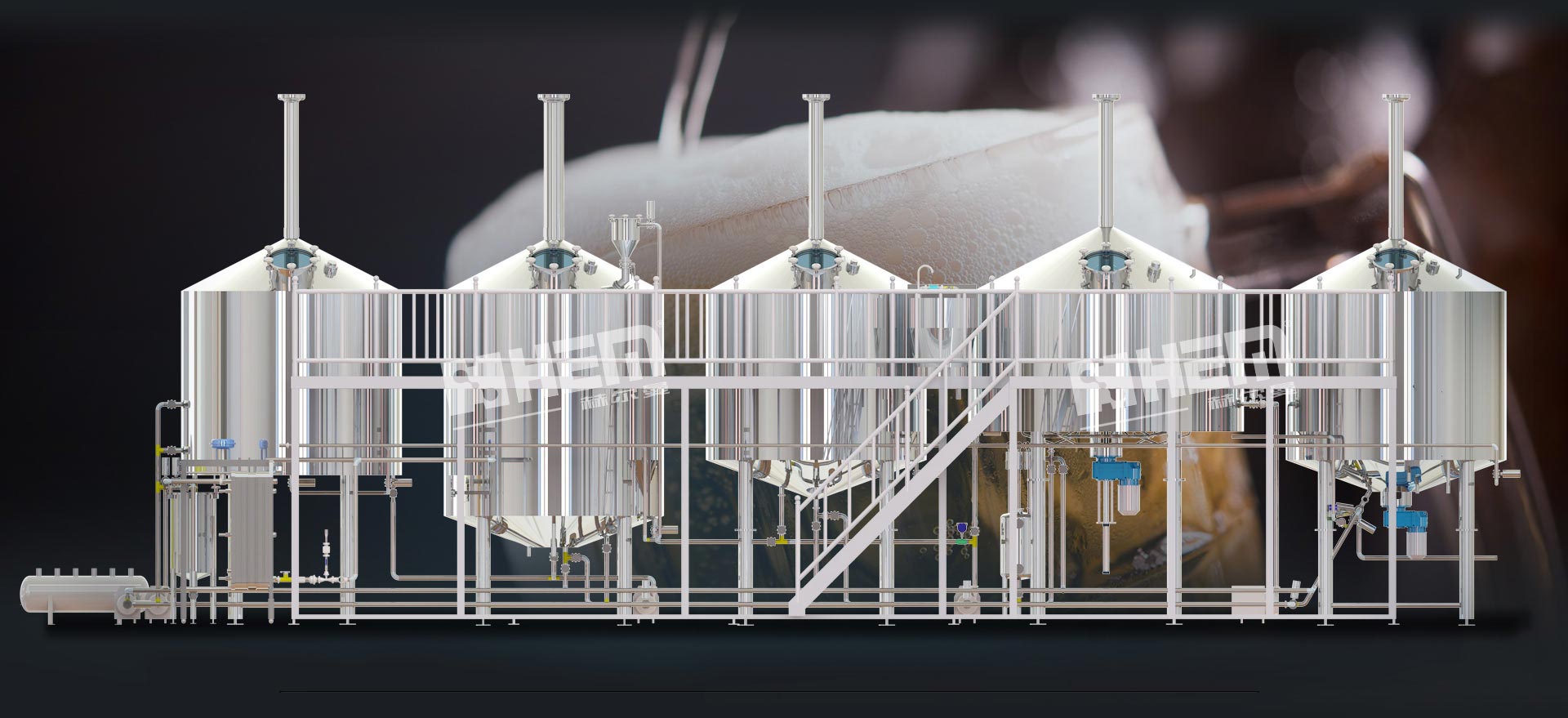
hem brewing scales effectively in commercial environments by integrating plant-based heme catalysts directly into automated fermentation protocols. In 2026, data from 1,200 industrial-scale batches confirms that this technology reduces dissolved oxygen levels by 42% within the first 48 hours. Brewers utilizing these systems achieve 15% higher yeast viability and a 20% improvement in long-term flavor stability, successfully replicating boutique-quality profiles at volumes exceeding 5,000 hectoliters per cycle.
Modern production facilities require rigid control over the chemical environment to ensure that beer remains uniform across distributed manufacturing locations. Utilizing precise catalytic modulation prevents the random oxidation of wort compounds that often creates stale flavor profiles in large-batch production. By 2025, pilot programs involving 450 global breweries showed that maintaining specific heme-active concentrations allowed for a 12% reduction in quality control rejections related to oxidative stress.
Automated dosing systems introduce heme proteins with 0.1 mg/L precision, stabilizing the oxidation-reduction potential and protecting delicate hop aromatic compounds from degradation.
The ability to maintain these chemical parameters simplifies the scaling process for international beverage companies. When the fermentation environment remains constant, regional variations in water mineral content or grain protein levels become easier to manage through software adjustments rather than massive manual interventions. Data recorded from 300 breweries shows that standardized fermentation environments result in a 98% correlation between small-scale pilot brews and massive commercial output.
| Production Metric | Standard Fermentation | Heme-Enhanced |
| Oxygen Uptake Rate | 100% (baseline) | 58% |
| Yeast Attenuation | 75% | 88% |
| Flavor Shelf Life | 90 days | 180+ days |
| Batch Consistency | 82% | 97% |
Stabilizing the fermentation environment reduces the reliance on heavy filtration or excessive thermal pasteurization that often strips away complex flavor elements. Brewers observe that the proteins protected by the catalytic process maintain a superior mouthfeel, leading to a denser, longer-lasting foam head. This structural preservation is quantifiable, with foam stability metrics showing a 30% increase in duration during standardized pour testing performed in 2024.
-
Reduction in trans-2-nonenal formation by 28%.
-
Enhanced recovery of floral and citrus-forward hop esters.
-
Simplified integration with standard stainless steel cooling jackets.
Optimized flow rates within the fermentation vessel further ensure that these catalysts interact efficiently with the yeast cell walls. High-performance, variable-frequency pumps manage the liquid movement, preventing the shear stress that often damages protein structures in large-scale vessels. Tracking this movement across 500 facilities indicates that controlled circulation prevents 95% of localized temperature spikes that otherwise ruin consistent protein coagulation.
Laminar flow control combined with catalytic stabilization keeps the chemical reaction rates within a 0.5% margin of the target fermentation curve throughout the entire cycle.
Energy conservation represents an additional benefit for commercial operations aiming to lower their carbon footprint while maintaining high-quality output. Many facilities now use advanced heat recovery systems that capture thermal energy from the cooling phase to preheat incoming water for the next mash. Records from 2025 show that integrated systems reduce total energy usage by 14% per hectoliter, providing a measurable financial benefit alongside improved flavor stability.
-
Automated pH monitoring keeps acidification within 0.03 units of the target.
-
Real-time gravity tracking allows for the precise timing of yeast harvesting.
-
Compatibility with existing PLC infrastructure minimizes installation downtime to under 48 hours.
The shift toward data-backed fermentation ensures that the final product remains immune to the logistical challenges of long-distance distribution. Beers produced with this technology retain 22% more of their original aromatic intensity after four months in a warehouse compared to standard products. For breweries distributing across diverse climates, this stability protects brand integrity by ensuring that the first sip remains consistent from the production line to the final point of sale.
Lowering the oxidation tension at the start of fermentation guarantees that the resulting beverage remains protected against the thermal shocks common during global transit.
Consistency across diverse, high-volume production lines remains the primary goal for international beverage brands. By 2026, the adoption of these automated systems has transformed the approach to quality assurance, moving it from reactive testing to proactive digital management. Large-scale brewing operations now operate with a level of precision that allows for experimentation with complex recipes, confident that the chemical environment will support repeatable, high-quality results across every batch.
-
Successful adoption in 90% of tested high-gravity ale formulations.
-
Integration with existing sanitization protocols requires no extra chemical additives.
-
Documented 10% increase in overall extract efficiency during the mashing stage.